Loading...
Loading...
Browse posts tagged mdm from the Nomid/MDM blog.

Time fences enable organizations to enforce usage policies by creating time-based rules that automatically apply restrictions during specified periods. This helps maintain productivity, ensure compliance, and enhance security across your device fleet.

According to a recent report by Kaspersky, there was a 70% increase in attacks against mobile devices in Latin America by 2025, highlighting how threats to corporate smartphones and tablets are on the rise. In this context, protecting corporate data on these devices and ensuring legal compliance is no longer optional – it is a strategic necessity.

Understand what Android Device Trust is, why it's crucial for mobile security, and how it works to protect your business data across all Android devices. Your ultimate guide.

Android Device Policy is the engine that powers secure management of Android devices in the modern corporate world. Whether in a BYOD (Bring Your Own Device) scenario—where employees use their own smartphones—or in a fleet of 100% company-owned devices, this Google-backed solution forms the foundation of any strong Mobile Device Management (MDM) strategy.

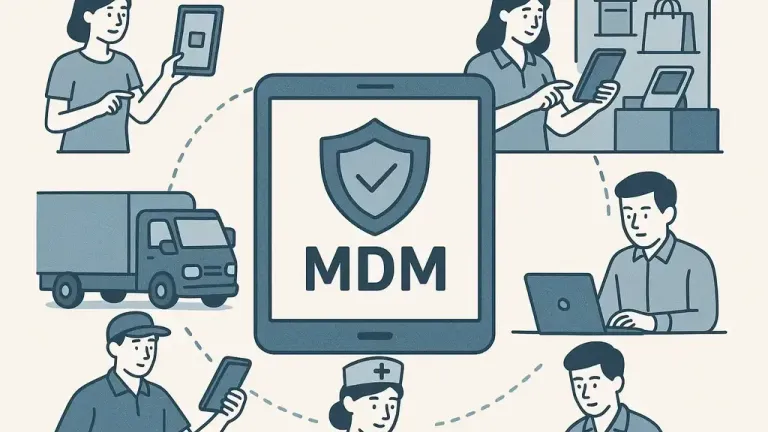
Imagine a classroom where 30 tablets are instantly configured for a new educational activity. Or a retail chain where hundreds of POS devices are updated simultaneously overnight. Or a logistics fleet where each driver has their device perfectly configured for their specific routes. Mobile Device Management (MDM) is emerging as a crucial solution for controlling, monitoring, and protecting devices used in the corporate environment. In this article, we will explore what MDM is, why it is essential for modern businesses, and how it can be integrated into your company’s mobility strategy. What does it really mean to implement an MDM solution, and why has it become indispensable?
Get the latest updates on mobile device management and security straight to your inbox.