 Nomid
NomidWhy a Specialized Android MDM is Non-Negotiable for Logistics
Secure and scale your logistics fleet with our IT blueprint for Android MDM. Learn to manage drivers, scanners, and ELDs for maximum uptime and compliance.
10 min read
Stay updated with the latest news, insights, and best practices in mobile device management.
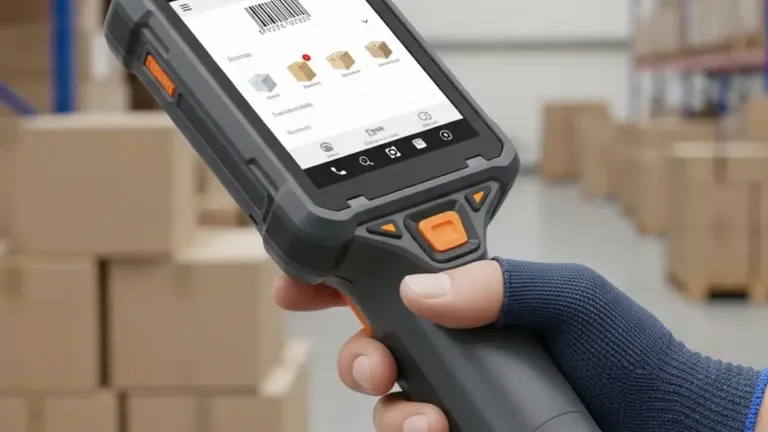
Secure and scale your logistics fleet with our IT blueprint for Android MDM. Learn to manage drivers, scanners, and ELDs for maximum uptime and compliance.

Plan Android devices for schools with clear management modes, enrollment prerequisites, managed apps, privacy checks, and a controlled rollout.

Learn to manage your VR fleet at scale with Android Enterprise MDM. Discover how to secure devices, deploy content, and use Zero-Touch for Pico & Meta headsets.
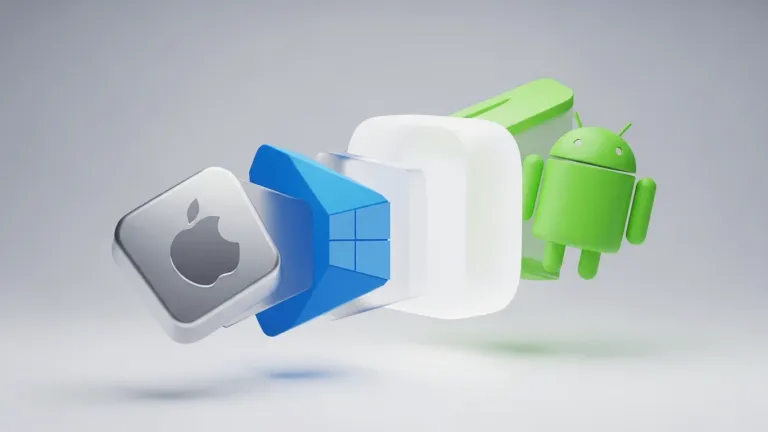
Choosing an MDM in 2025? Our deep-dive comparison reveals why a specialist Android Enterprise partner delivers superior security, speed, and ROI over generic UEMs.

Time fences enable organizations to enforce usage policies by creating time-based rules that automatically apply restrictions during specified periods. This helps maintain productivity, ensure compliance, and enhance security across your device fleet.
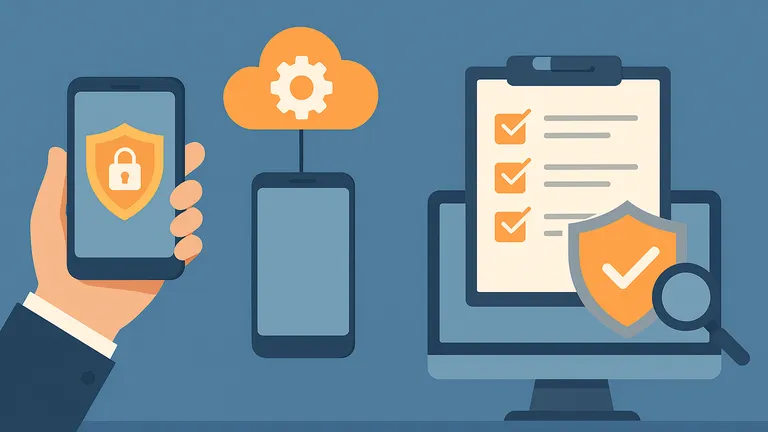
According to a recent report by Kaspersky, there was a 70% increase in attacks against mobile devices in Latin America by 2025, highlighting how threats to corporate smartphones and tablets are on the rise. In this context, protecting corporate data on these devices and ensuring legal compliance is no longer optional – it is a strategic necessity.
Create a workspace and test a real management workflow, or book a tailored product walkthrough with our team.